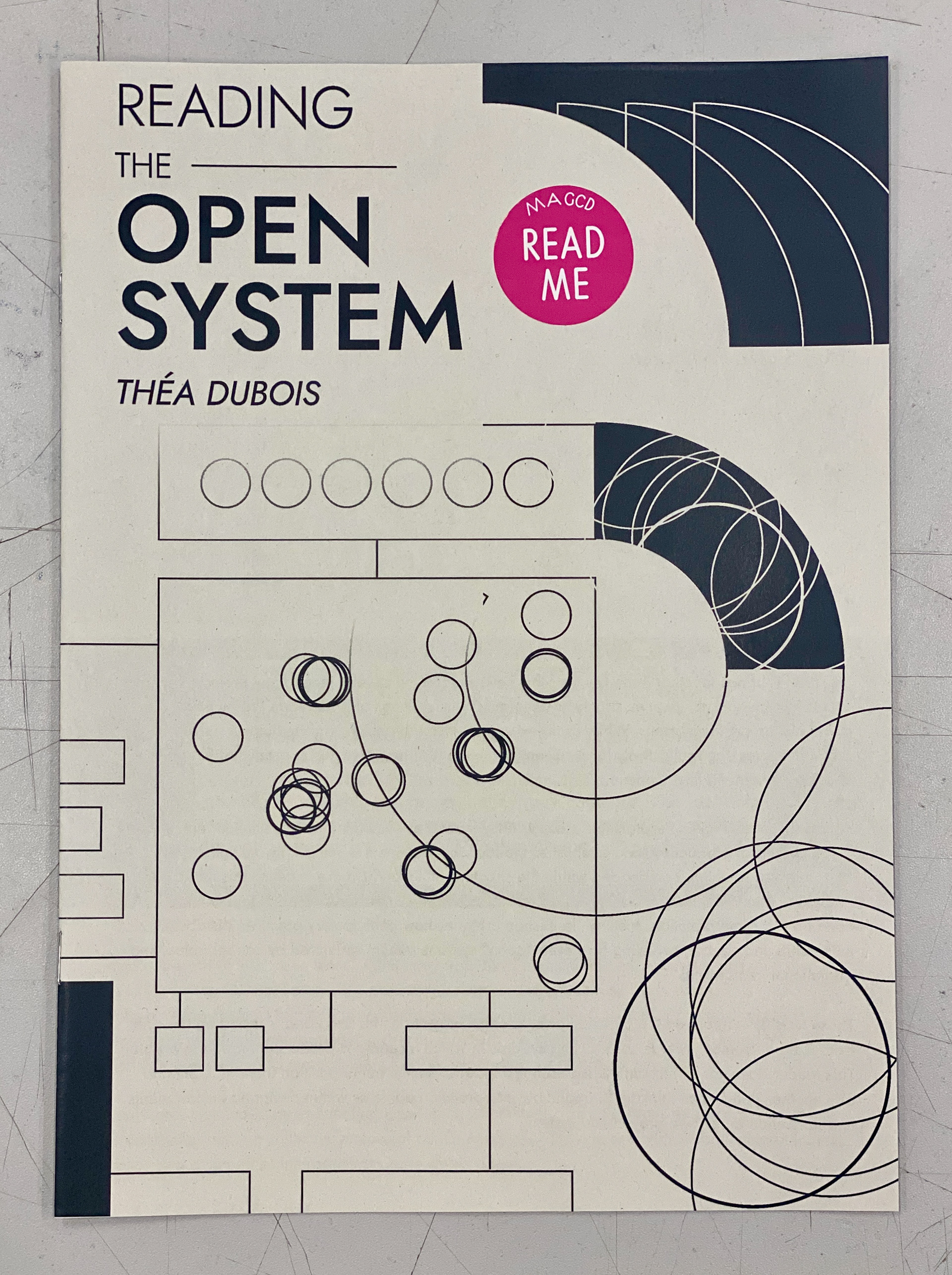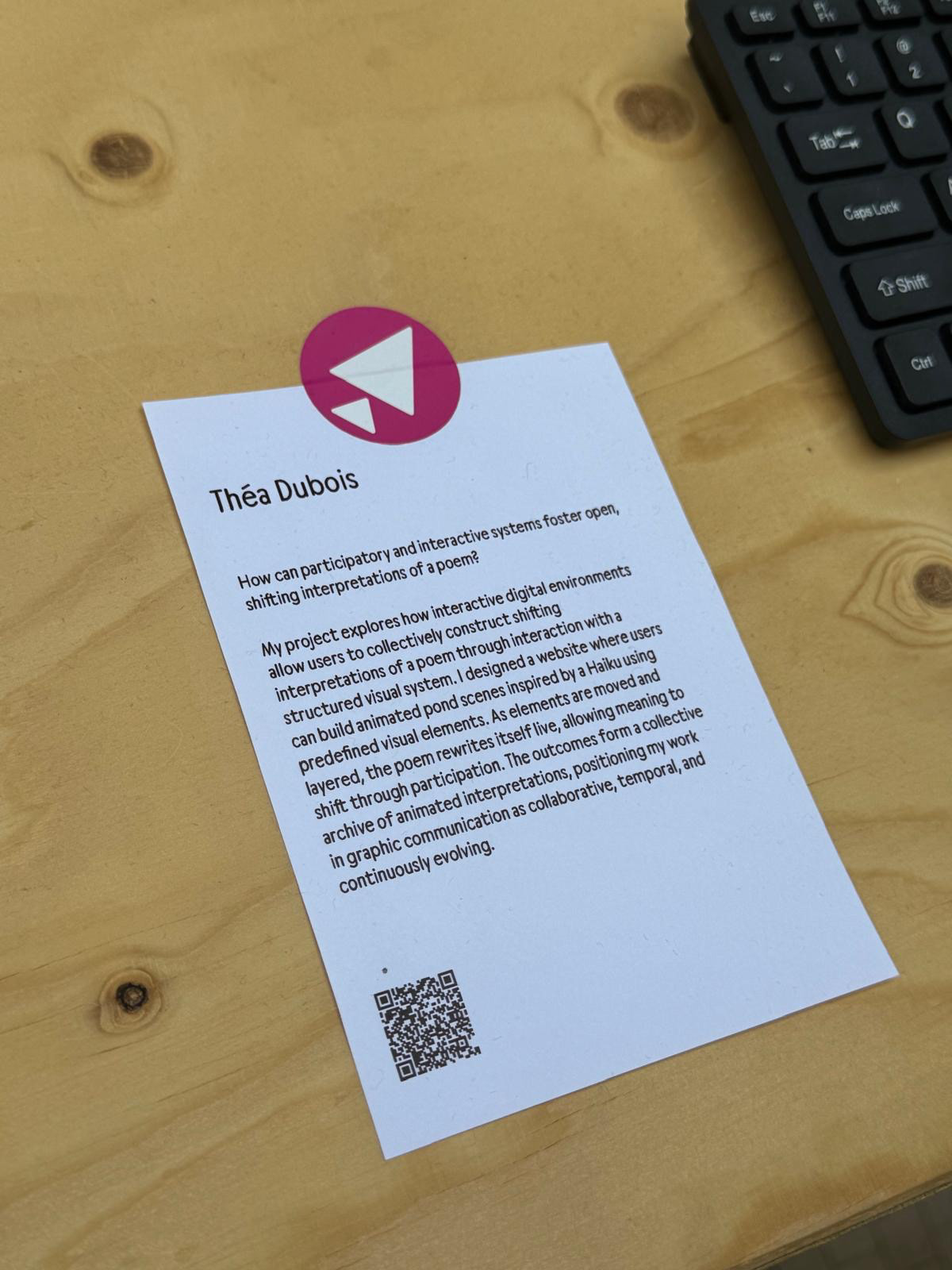
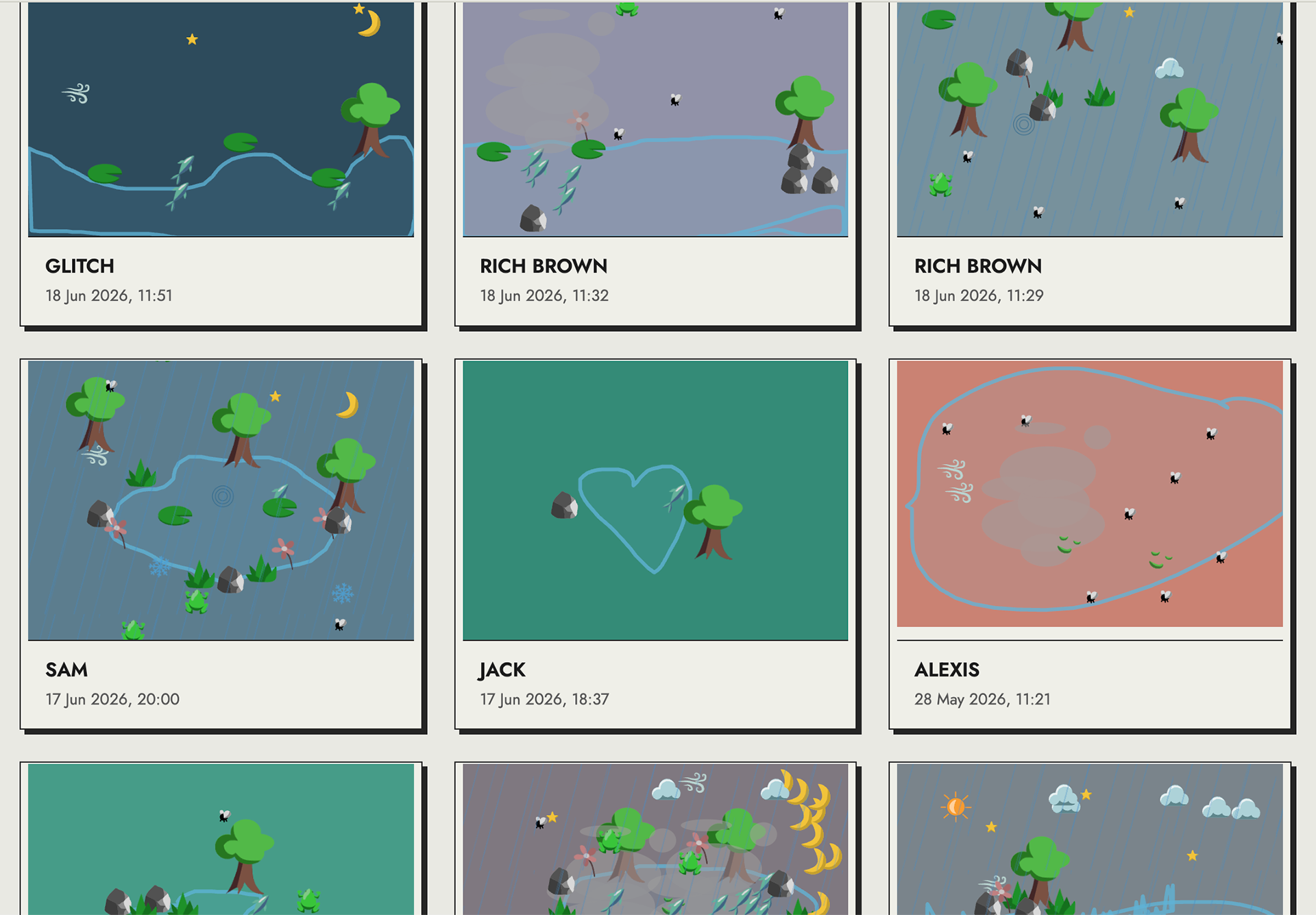
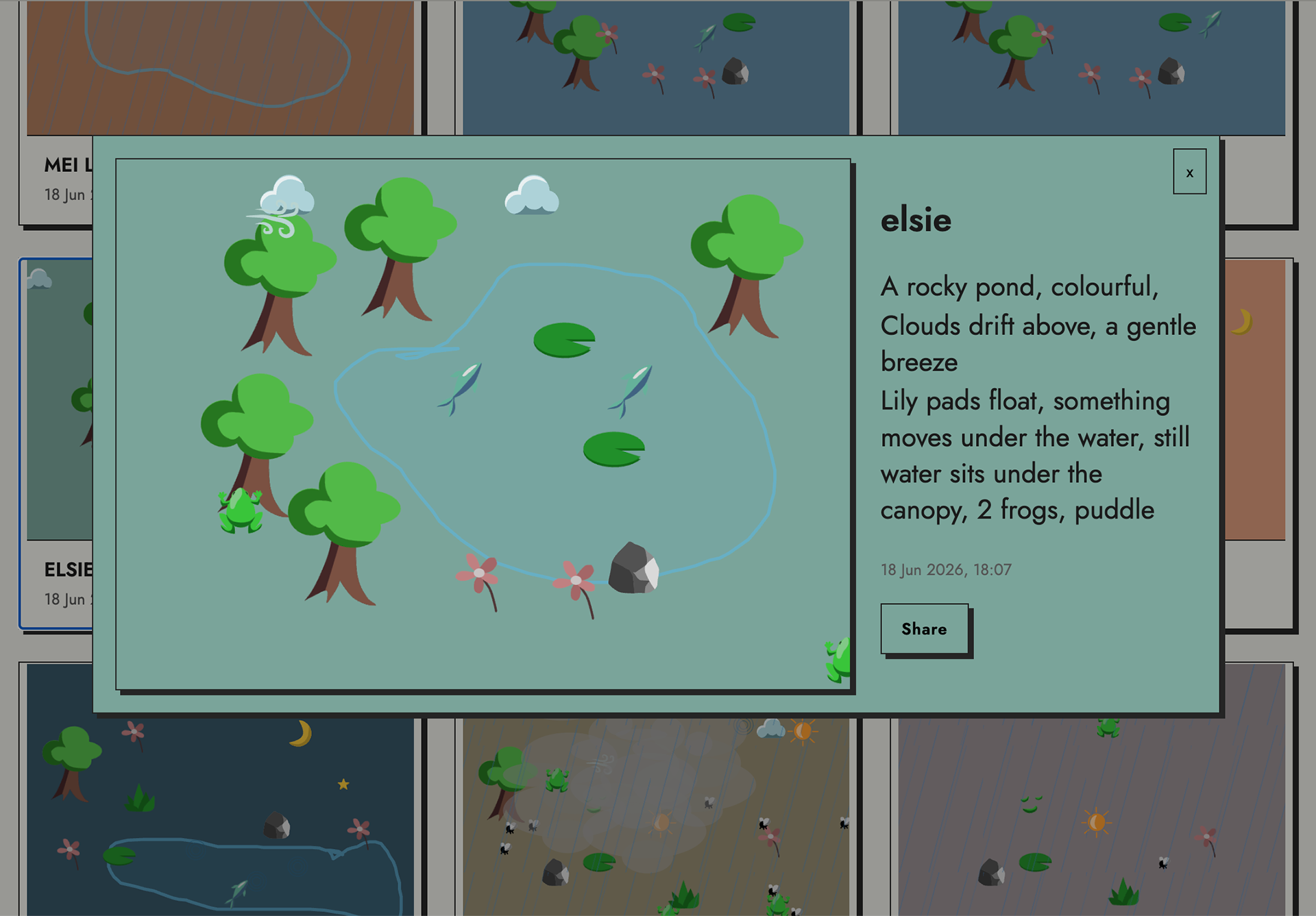
My MA project explores how individual perspectives can shape the interpretation of the same written form, using interaction to create a space for participation and exchange. I was largely inspired by the international peers around me and the diverse ideas, experiences, and cultural perspectives they brought to the table, alongside my own creative arts background and interest in visual storytelling. These influences pushed the project beyond a traditional publication format and towards an interactive web experience, where participants can create, share, and archive their own animated scenes.
Role Timeline
Designer 2026
Scope
UX/UI · Interaction Design · Visual Design · Creative Coding · Prototyping · User-Testing · User-Generated Content
THE OLD POND
An old silent pond,
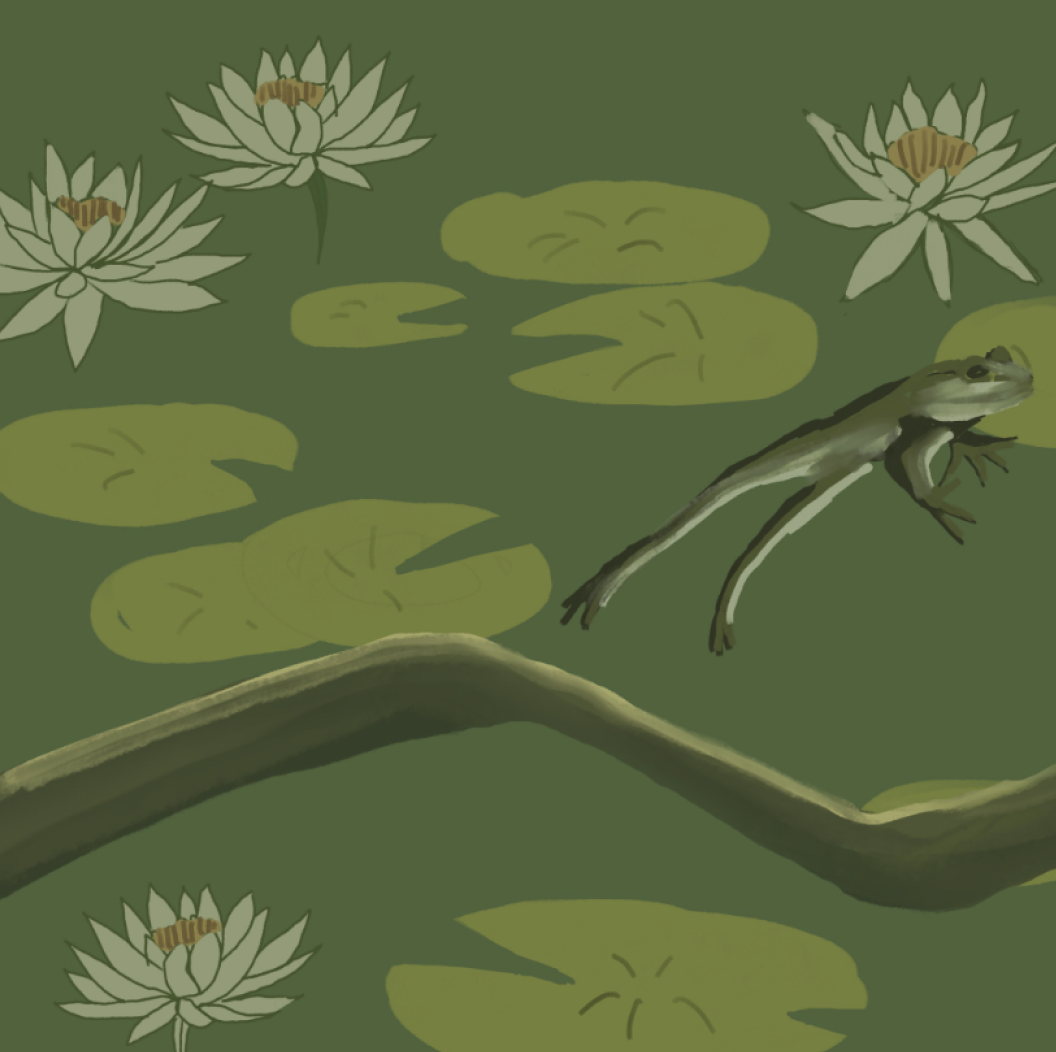
A frog jumps into the pond -
SPLASH! Silence again.
POEM BY MATSUO BASHO
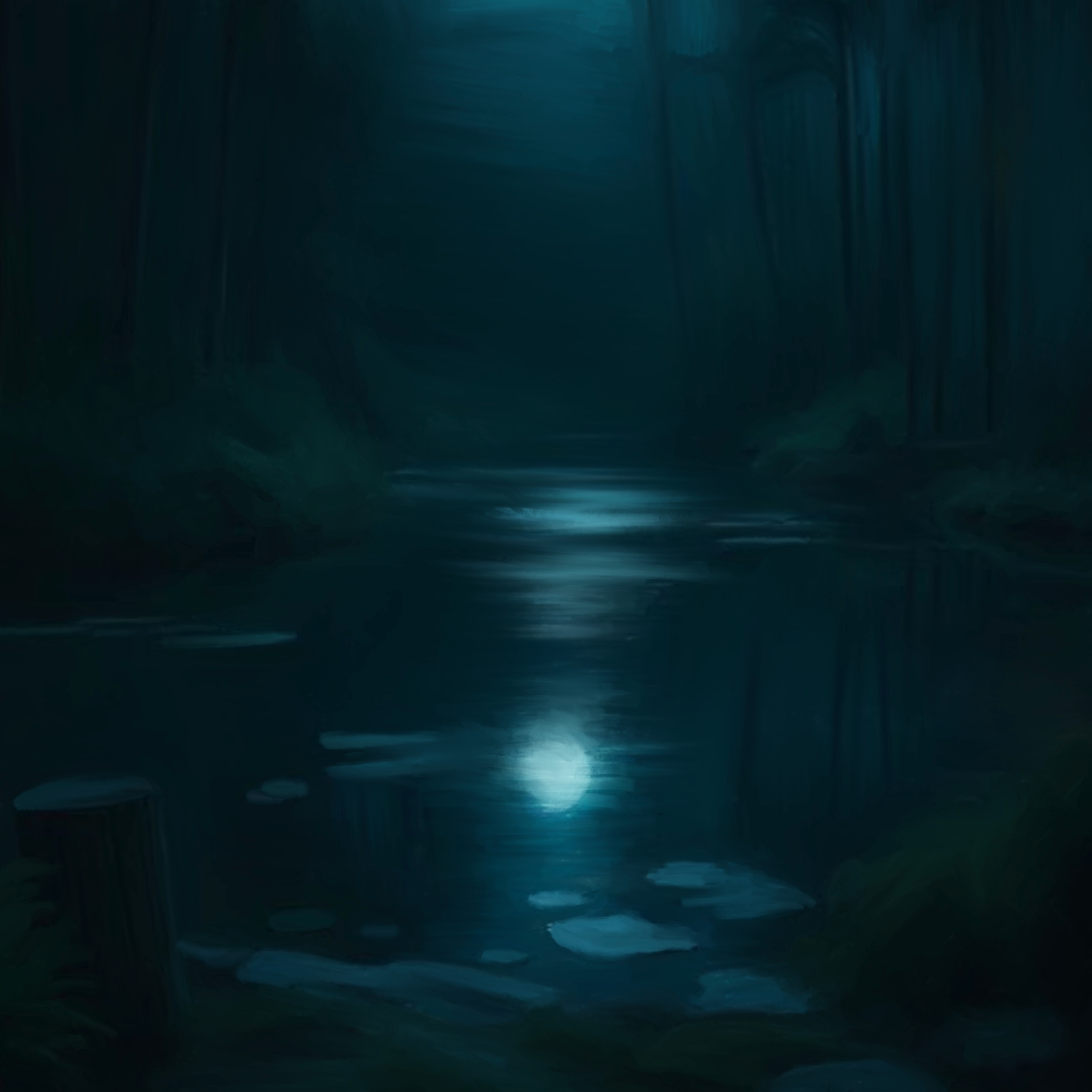
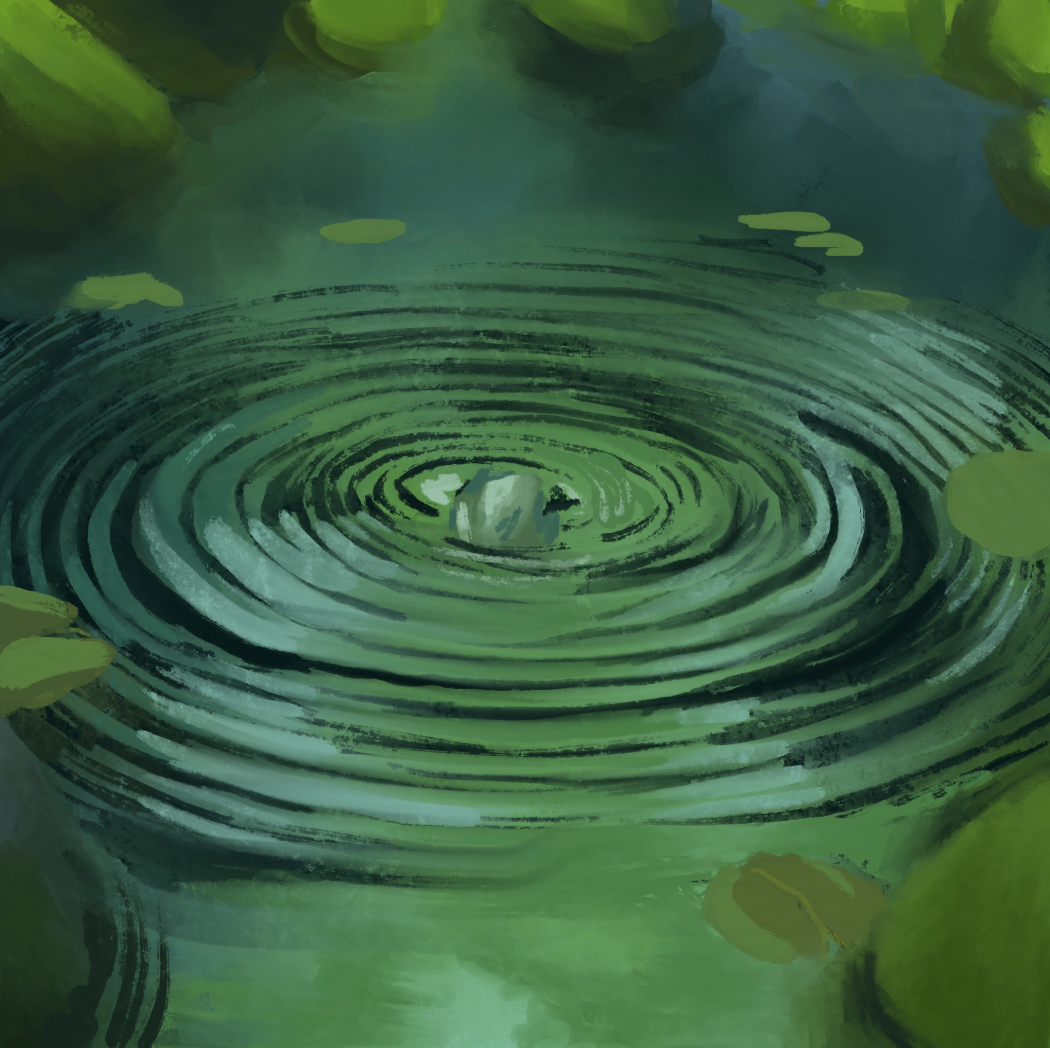
We have all read a poem and imagined a scene in our heads.
But how do different people see a poem? How can that be visualised and shared?
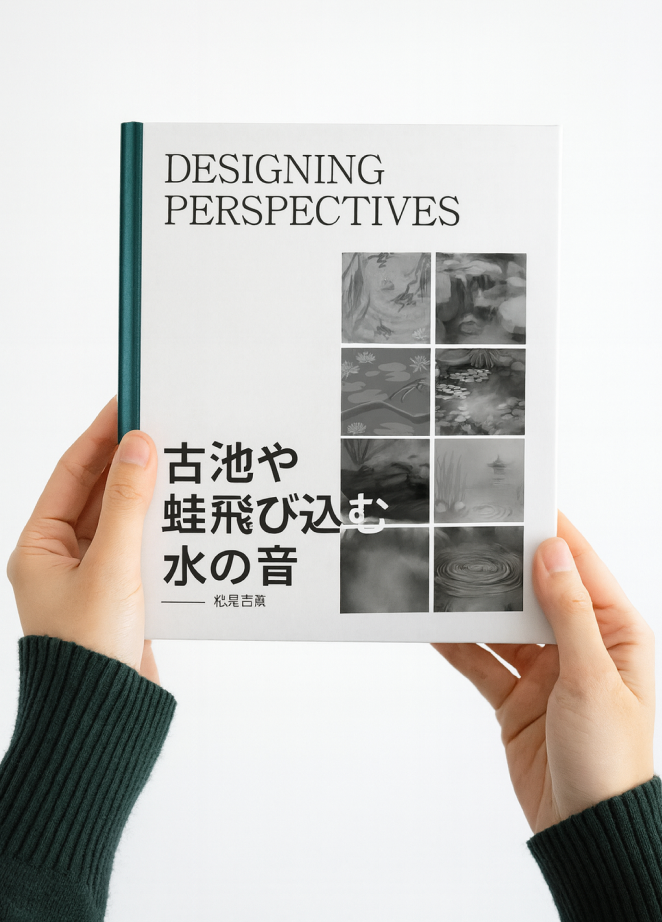
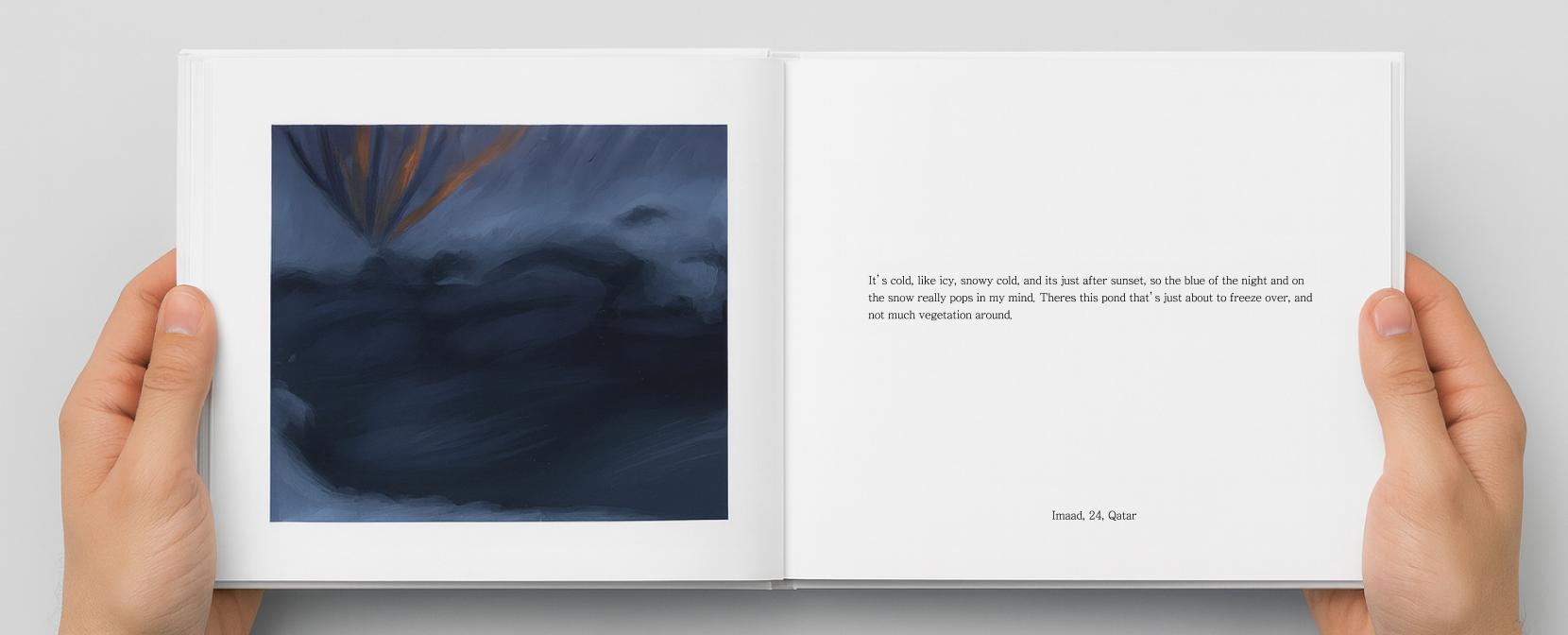
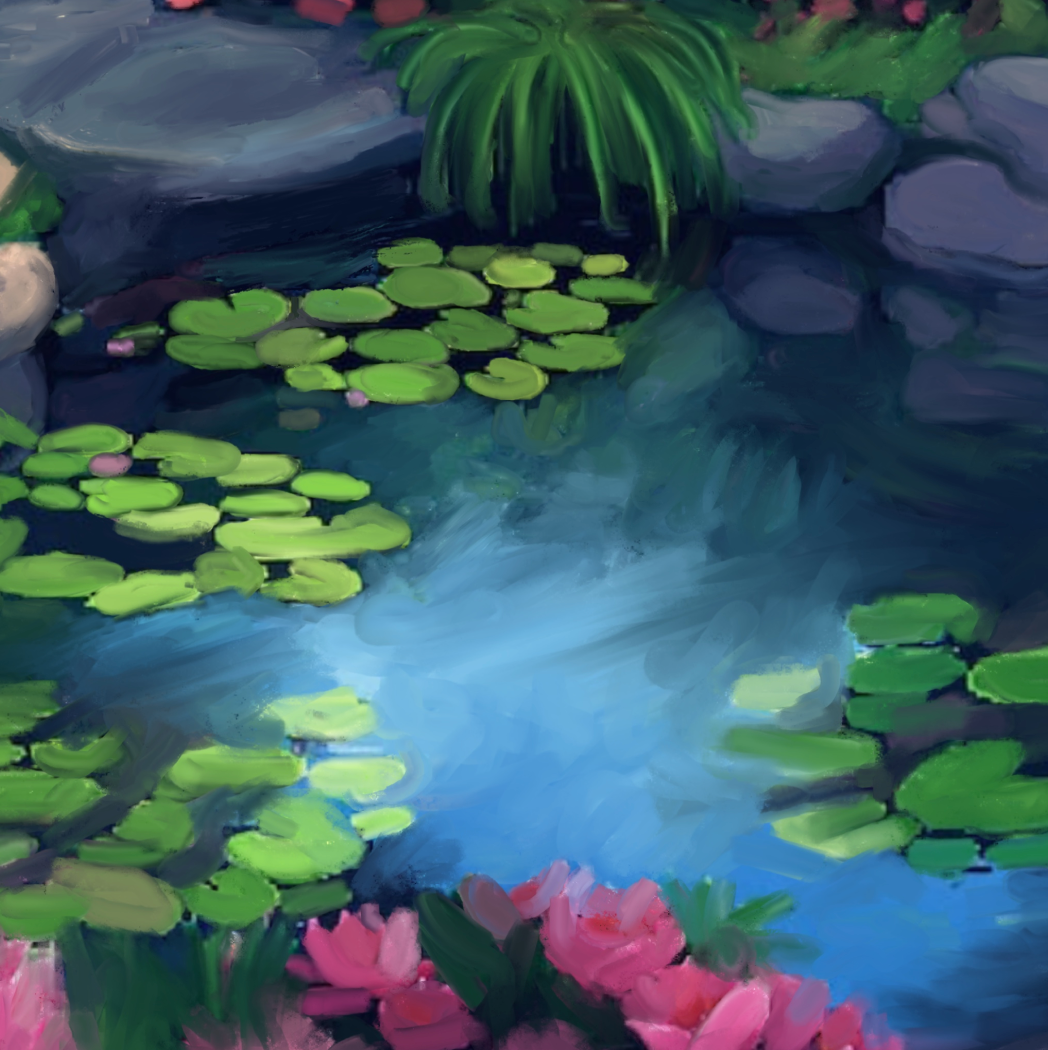
In a previous project, I conducted interviews where participants read the same haiku and described what they saw in their minds. I hand-drew these descriptions and created a publication.
This process was shaped by my own language and bias, rendering it too subjective for my project.
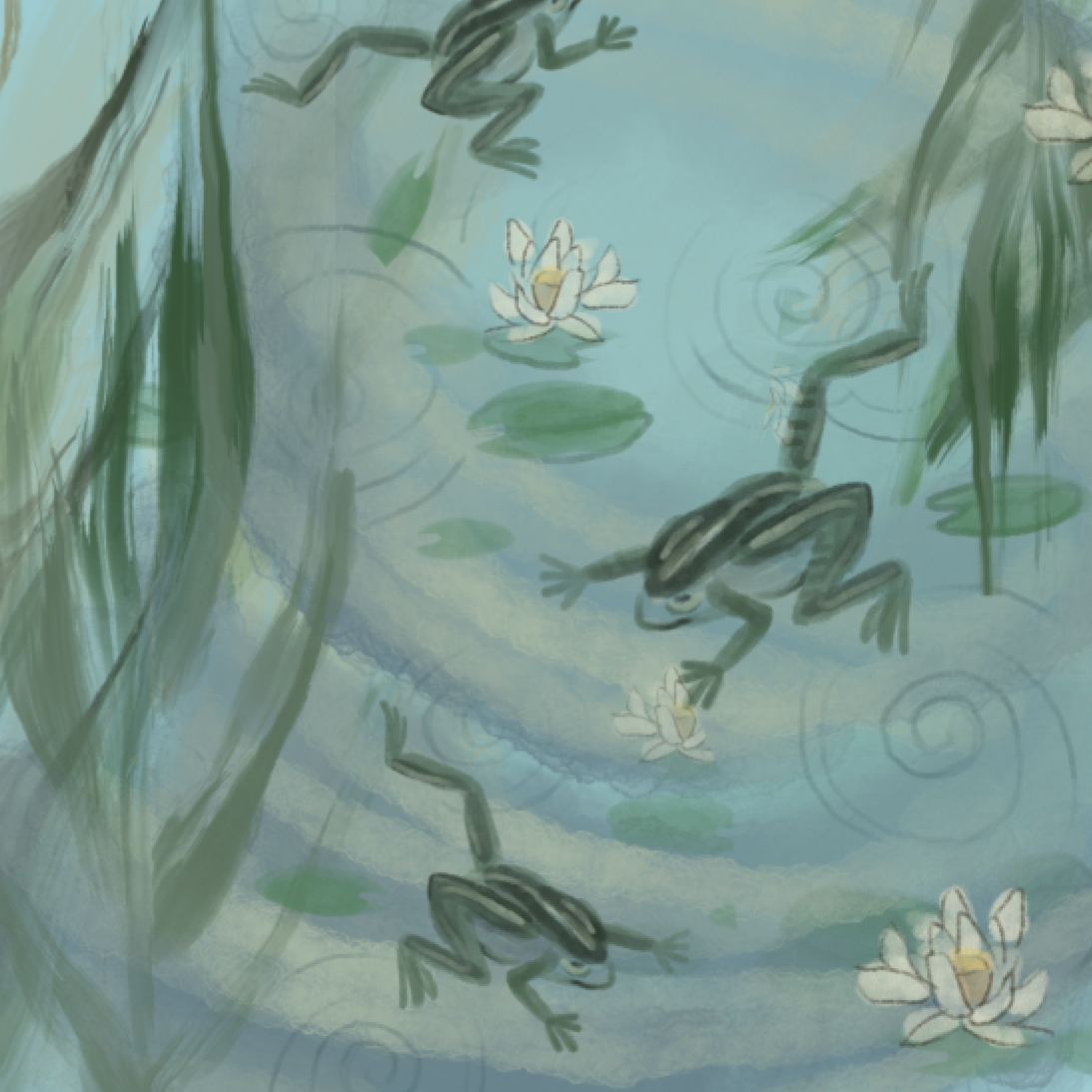
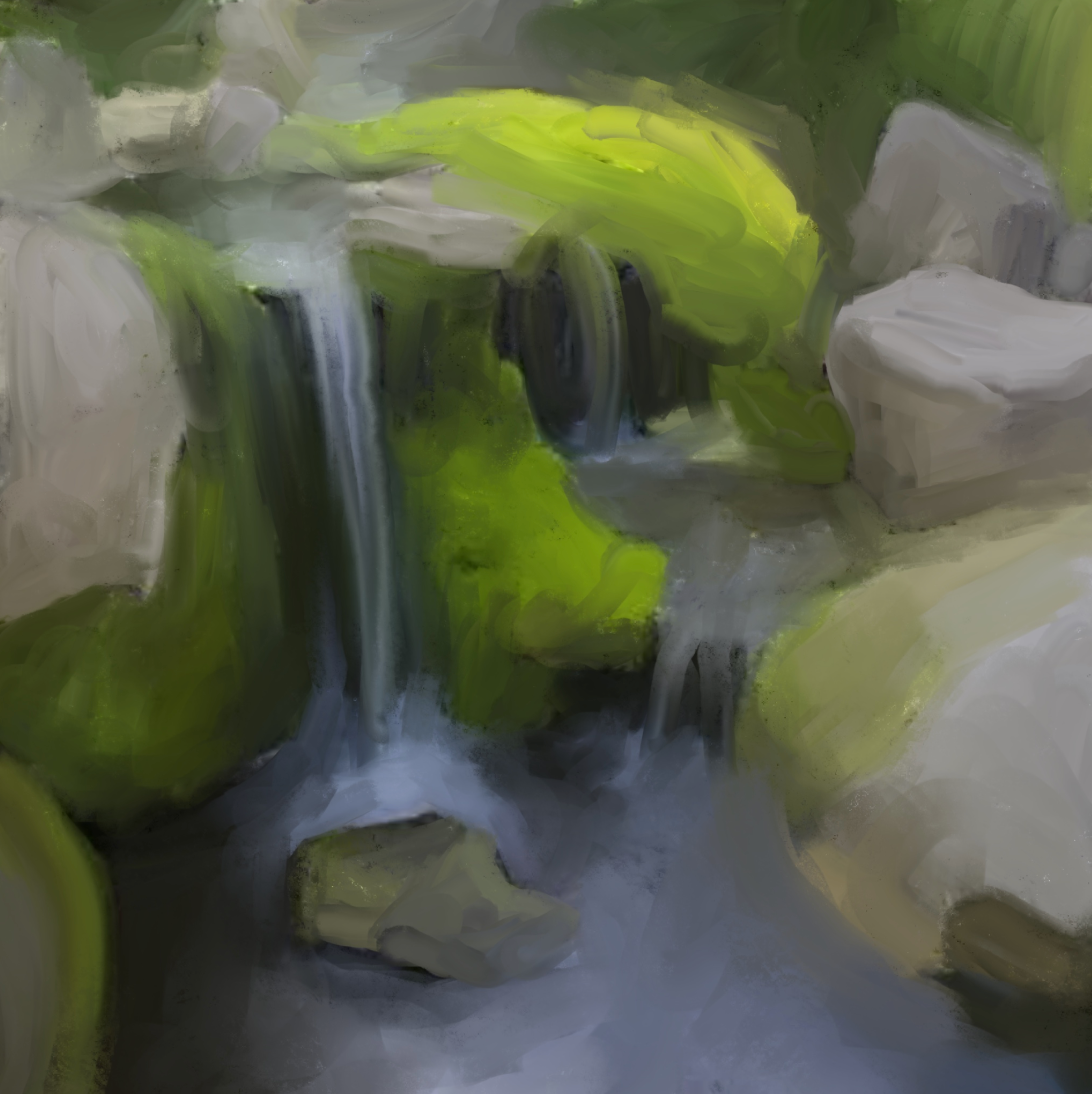
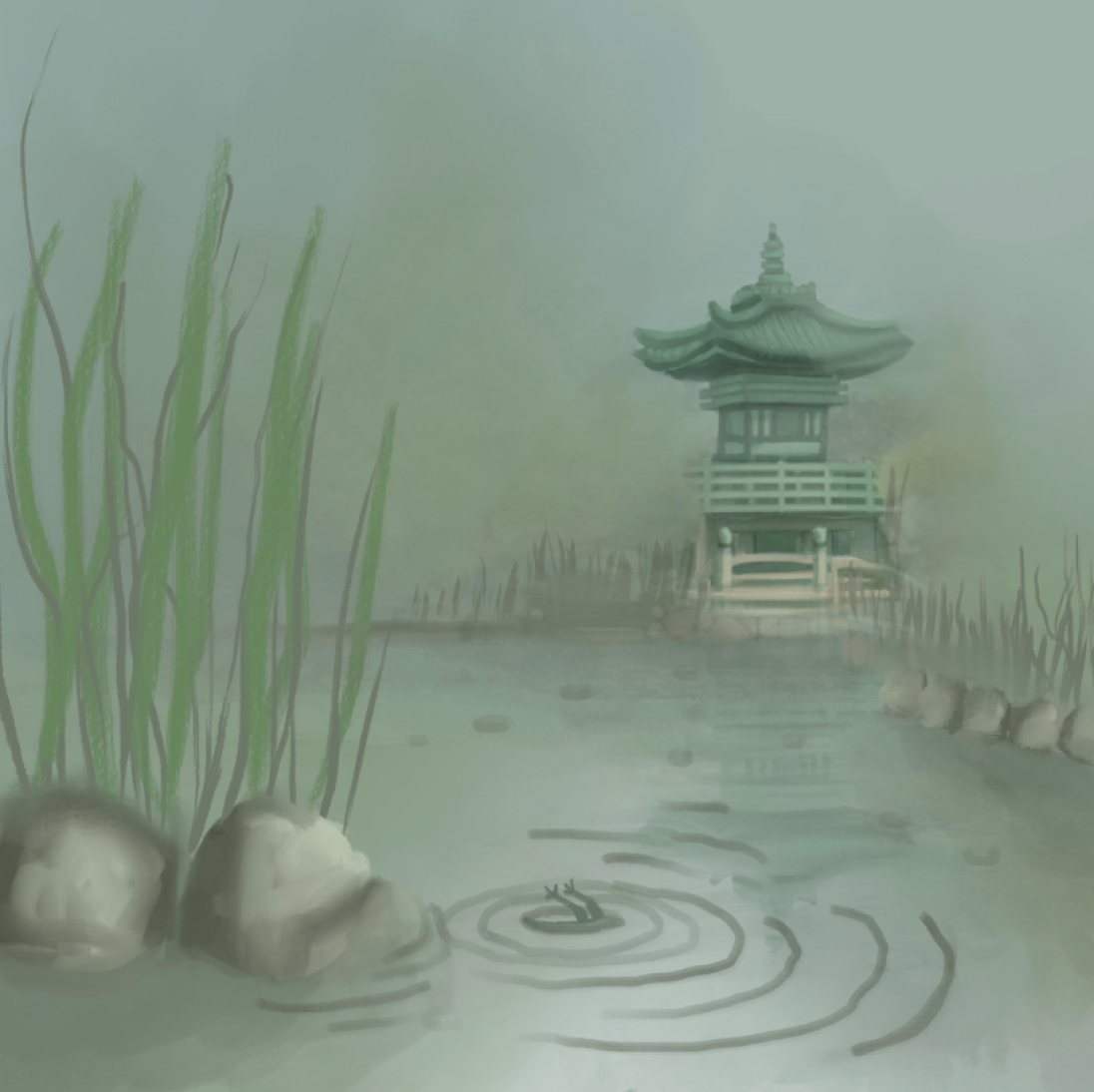
Ideation & Iteration
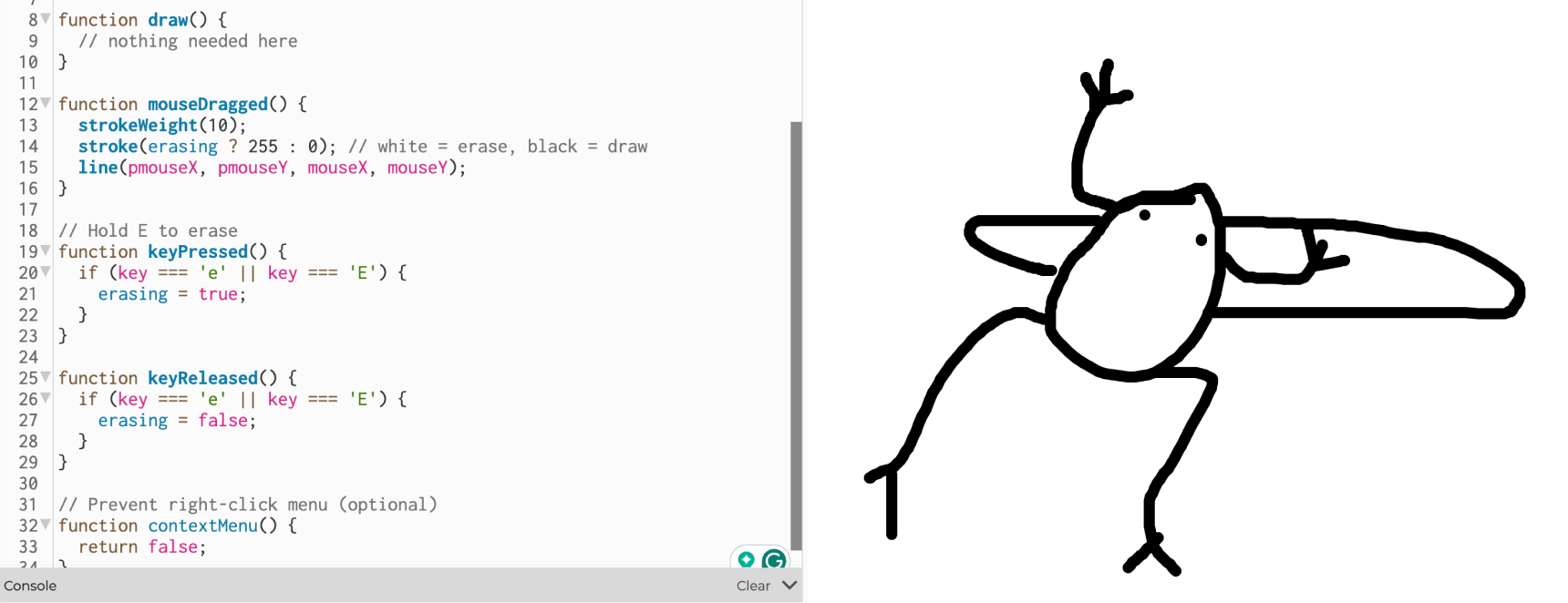
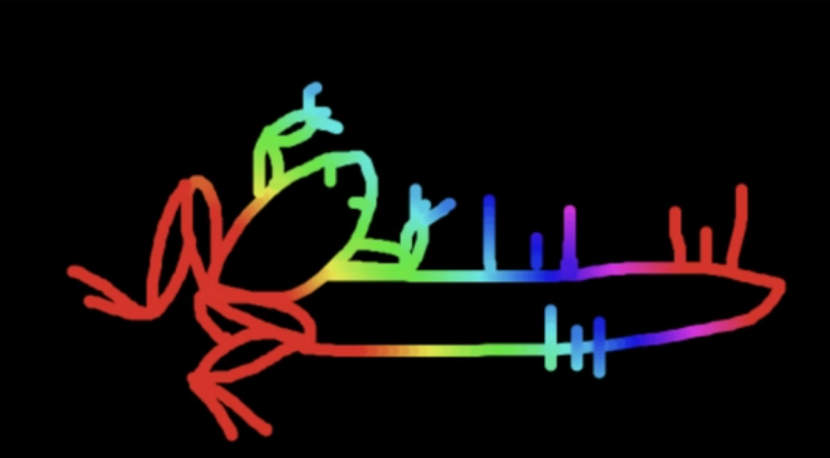
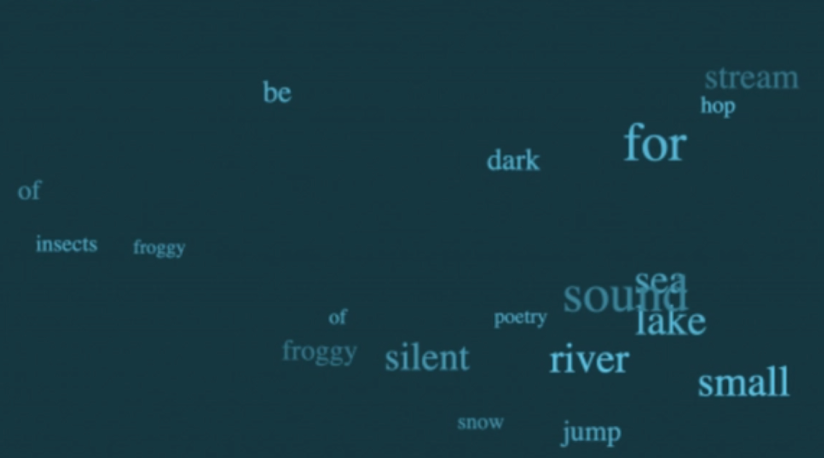
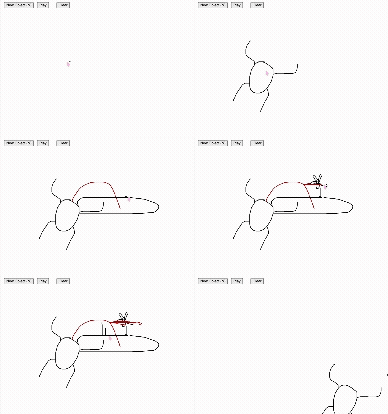
I started experimenting with creative coding and AI using p5.js. This process allowed for a lot of
creative freedom and fast iterations based on feedback from my critique group.
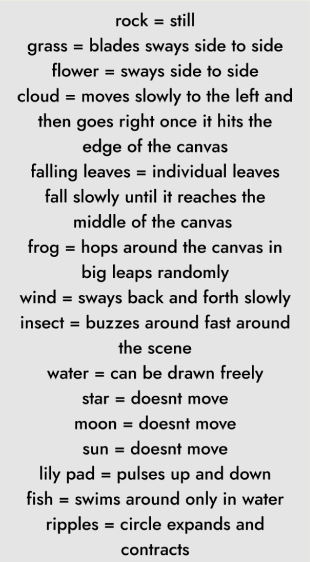
I then used Figma to create high-fidelity mockups of my rule-based system.
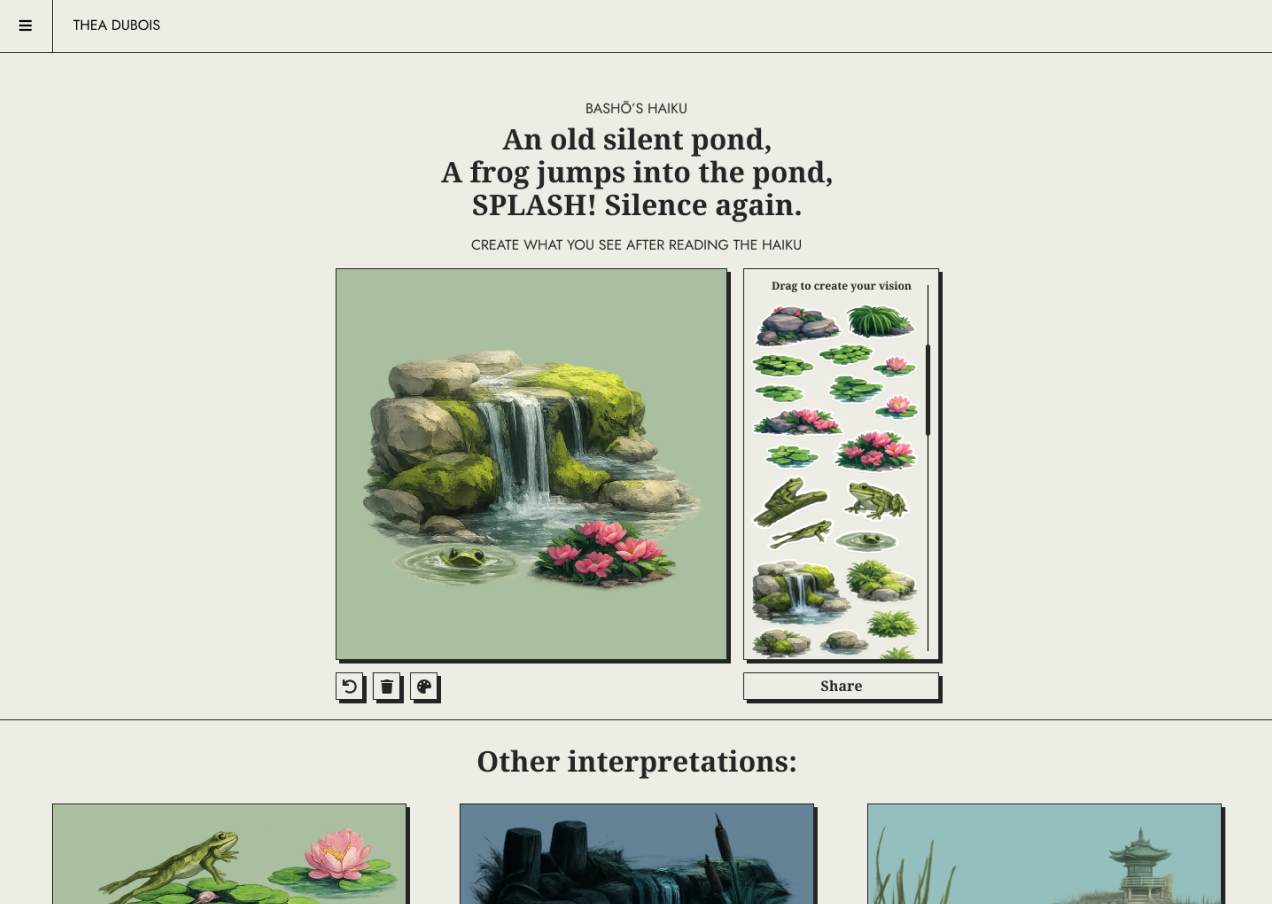
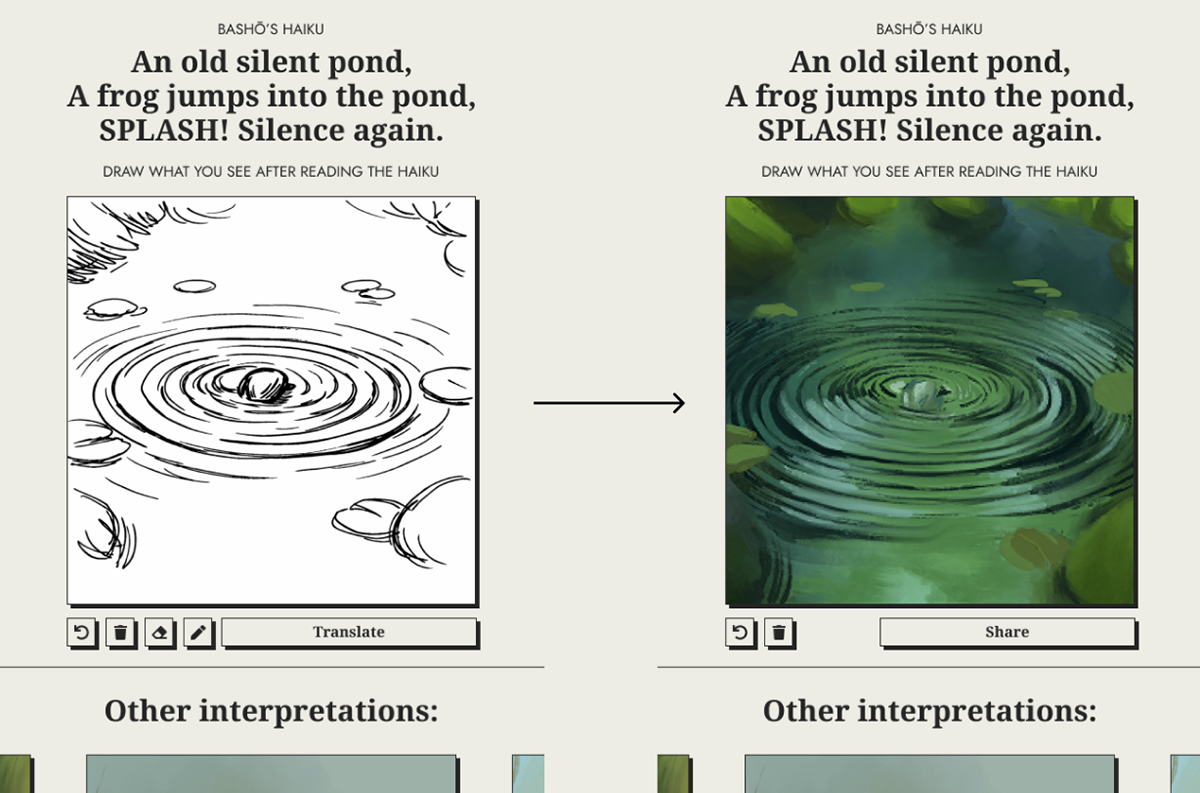
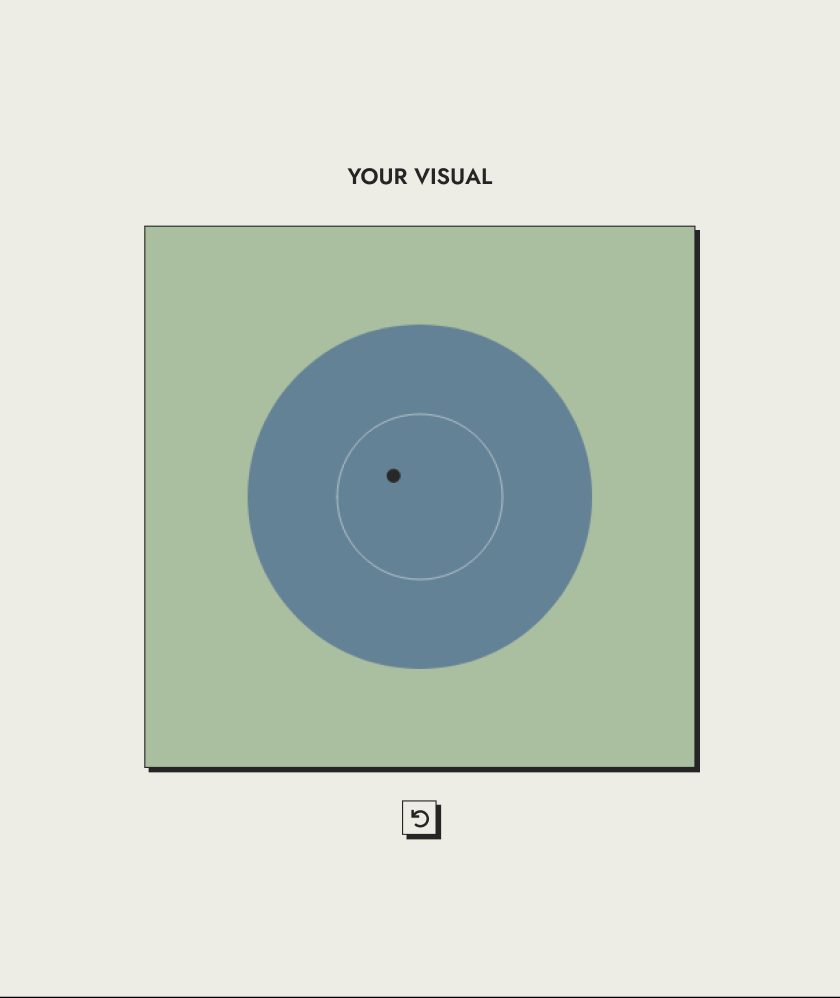
Selected Prototype Flow
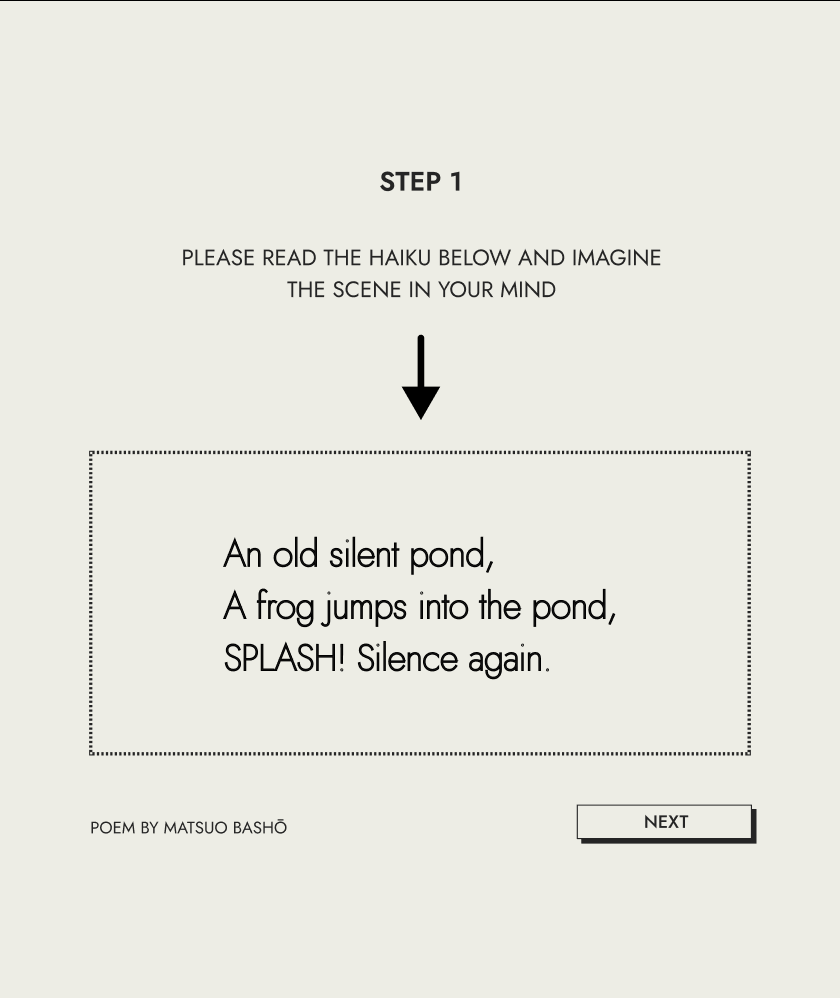
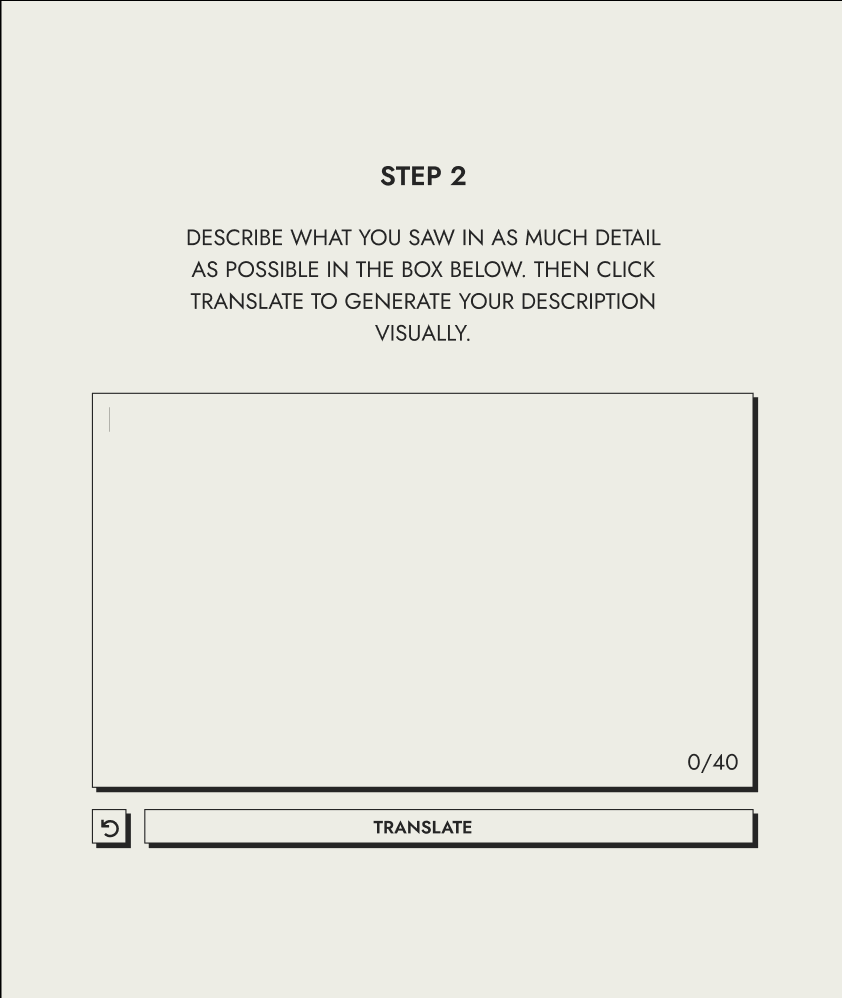
Prototyping
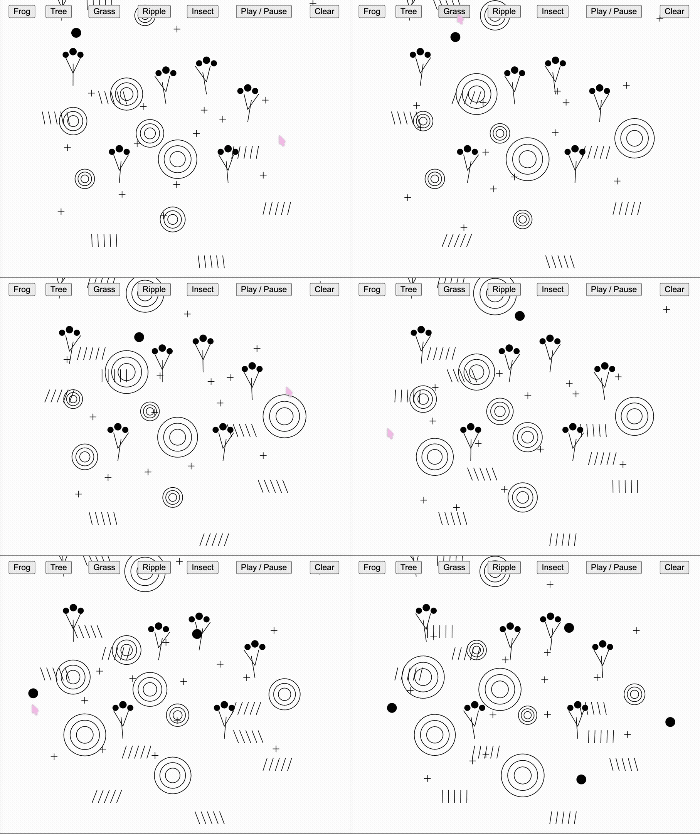
I coded my first prototype, adding elements I designed in Figma weekly to expand the variations in image generations.
In my first user-testing round, 8 participants attempted to use the platform without any guidance from me. The test revealed two things:
• Users lacked context on my work.
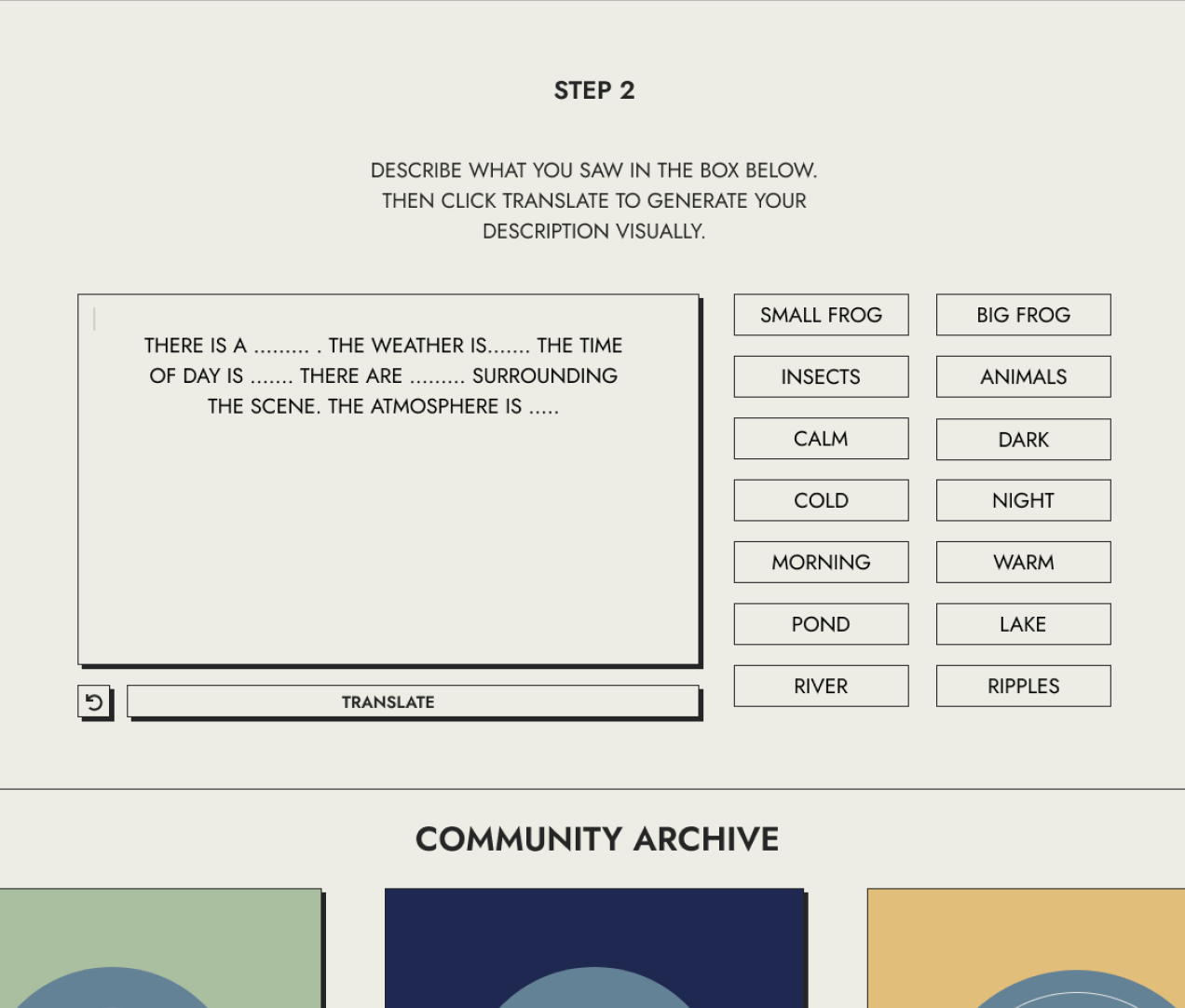
• Most descriptions were too vague for the code to generate meaningful variation.
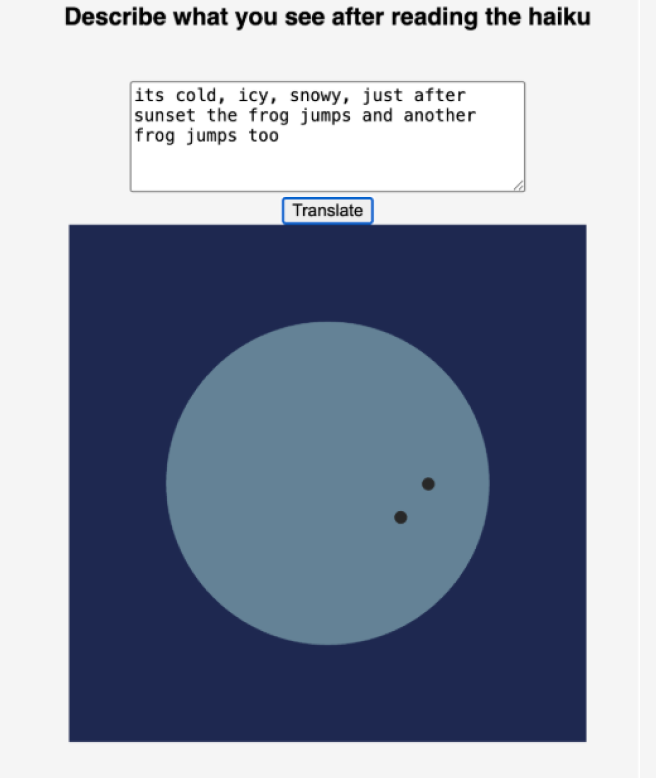
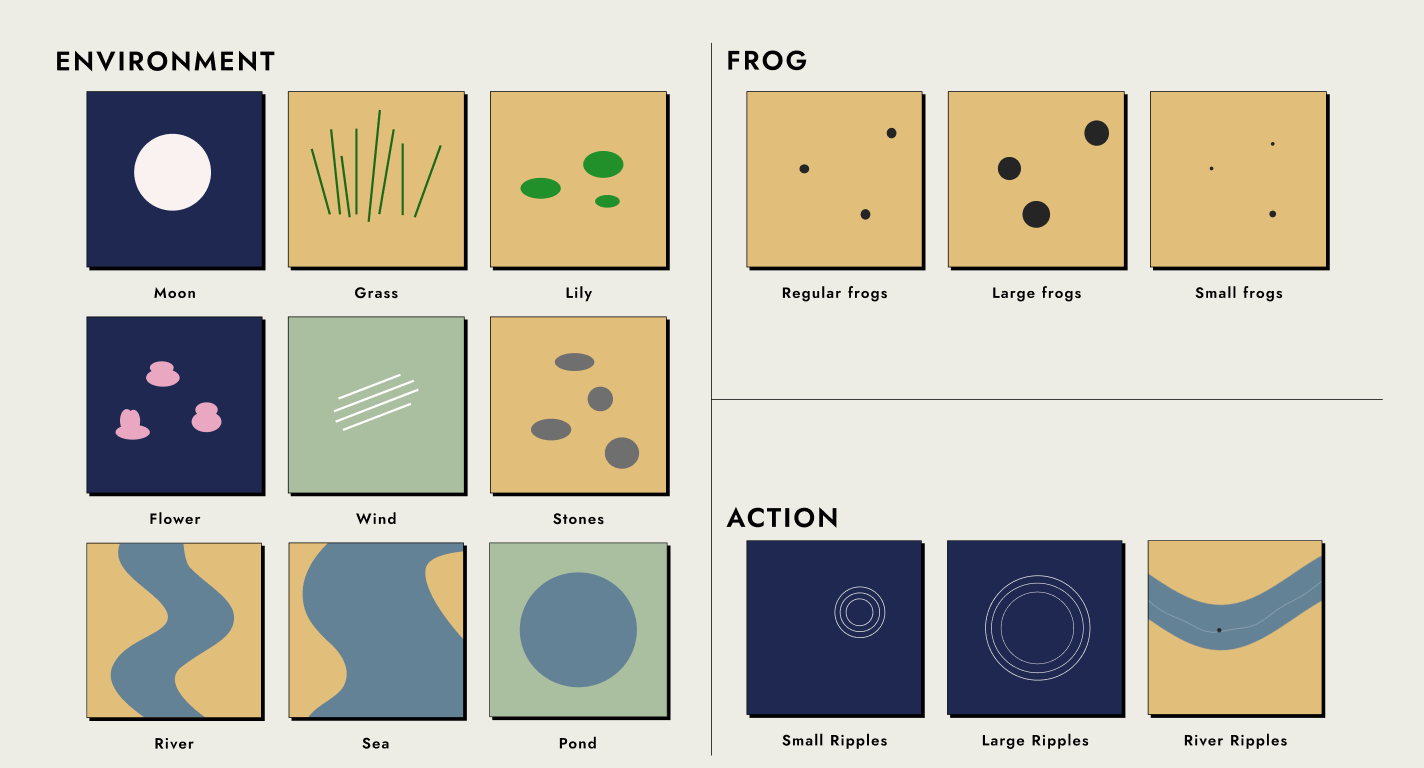
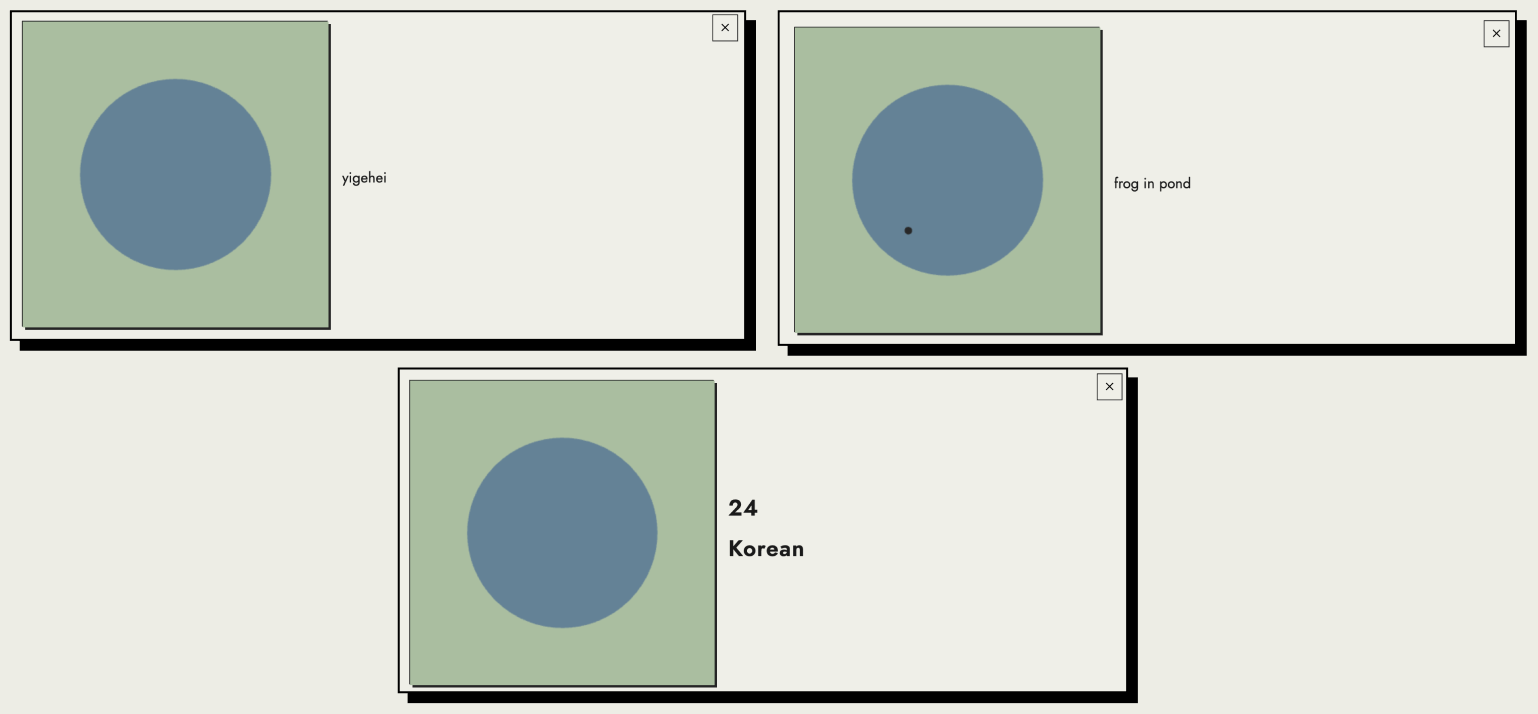
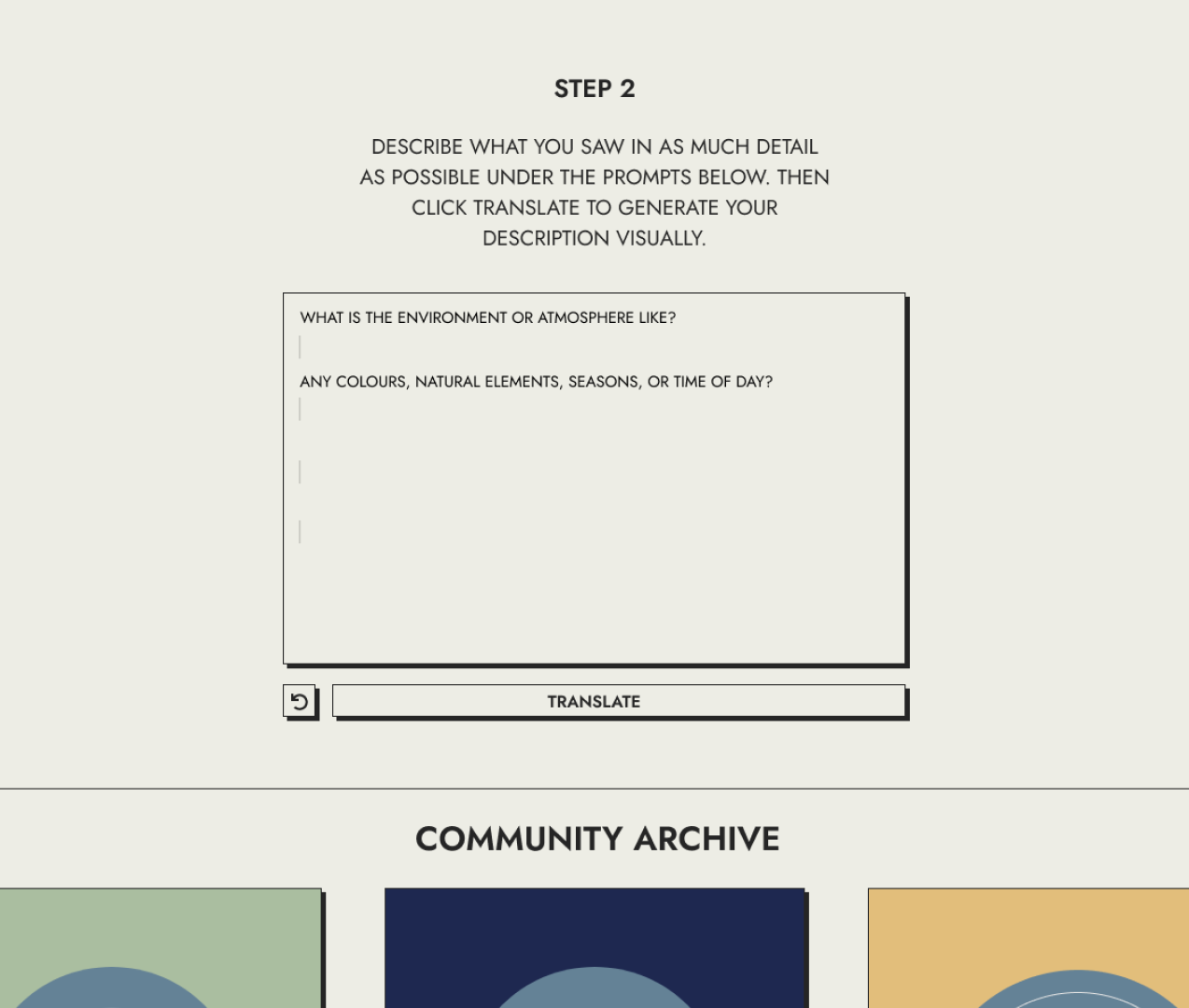
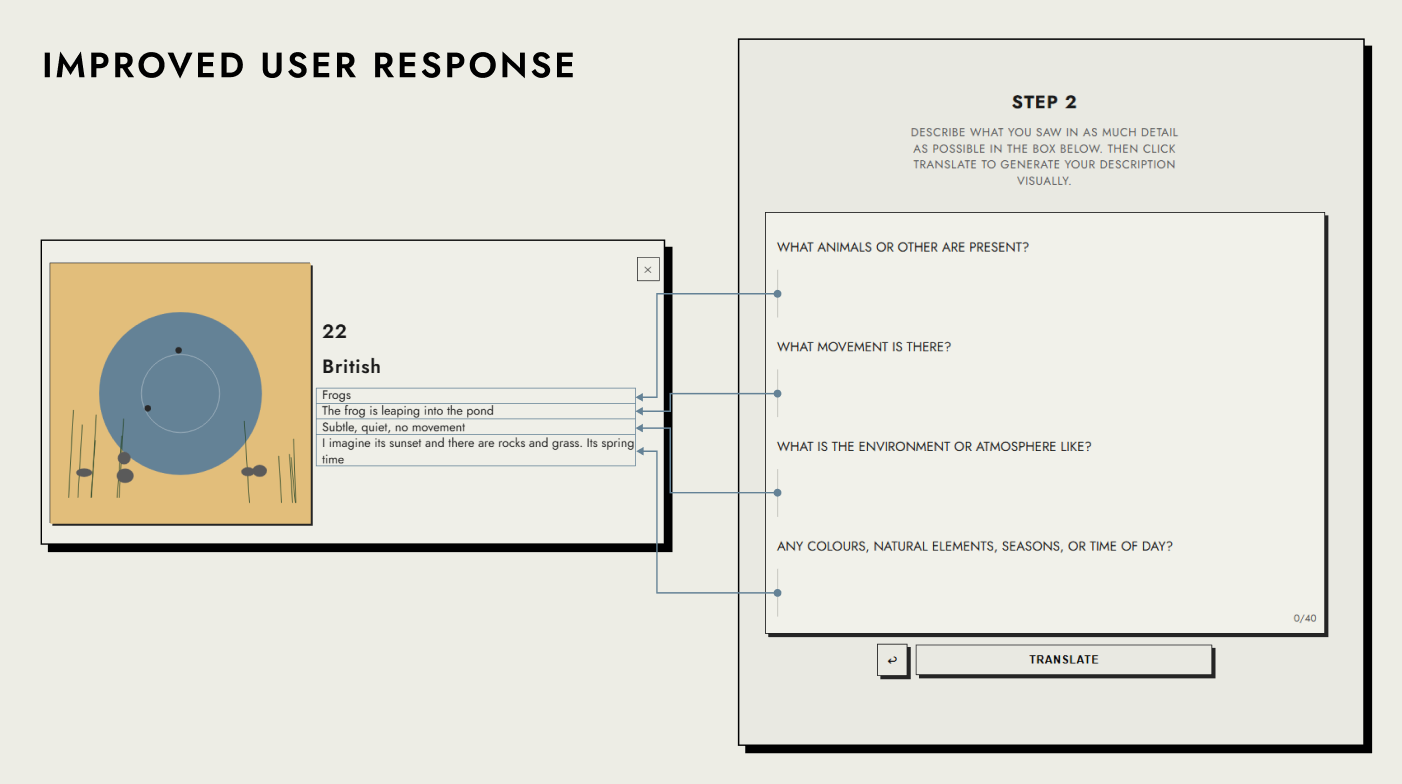
I iterated on the user prompts within the platform, using Figma to develop and test mock-ups with a new group of participants. The results improved significantly, providing clearer evidence that the prompting system was becoming more effective. However, the testing also revealed that the visual system itself was too restrictive, limiting the range of interpretations participants could produce. This highlighted an important insight: the issue was not with the users’ ability to respond to the prompts, but with the constraints imposed by the system I had designed.
Projecting and Expanding
How can perception be captured beyond written description?
How can my system represent movement and temporality, not just static imagery?
How can participation move from individual outputs to collective, evolving experiences?
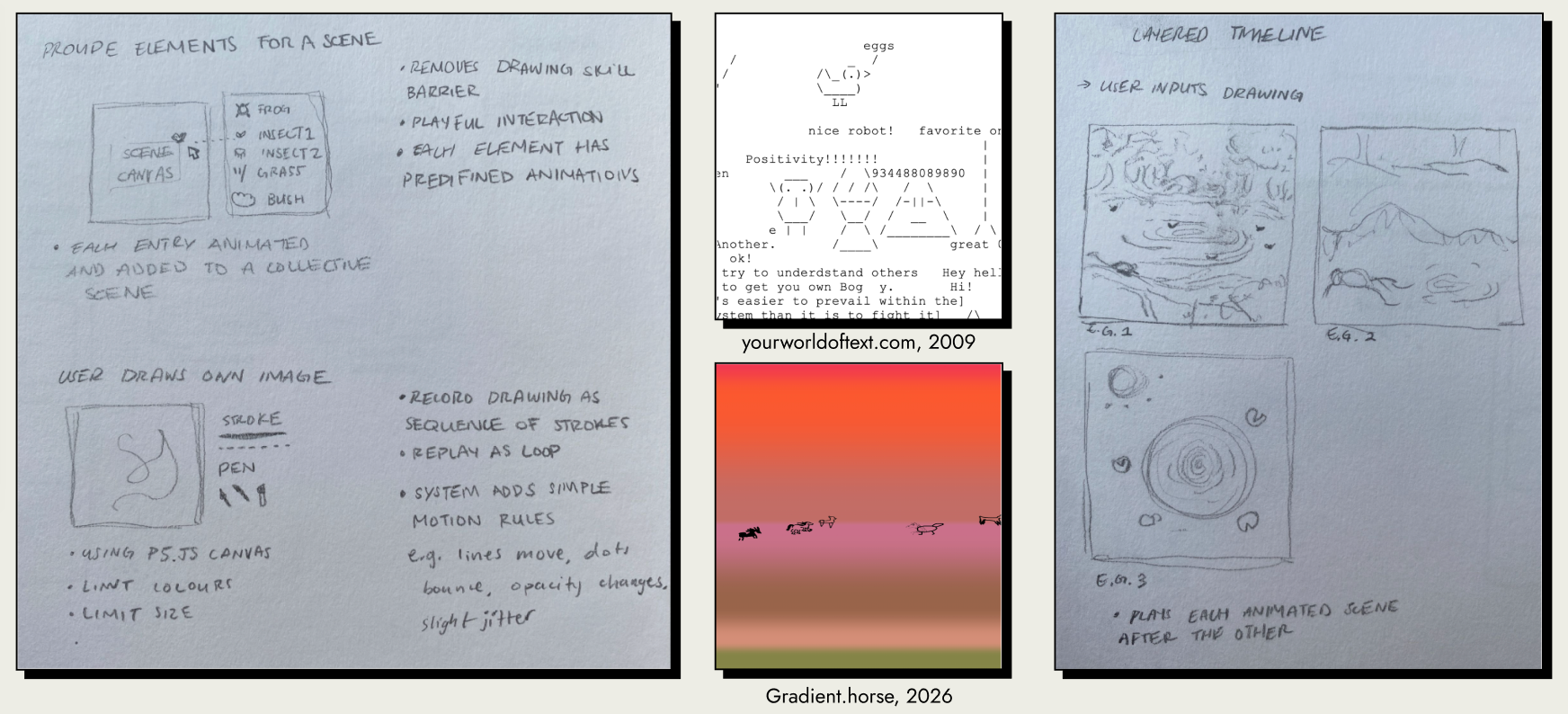
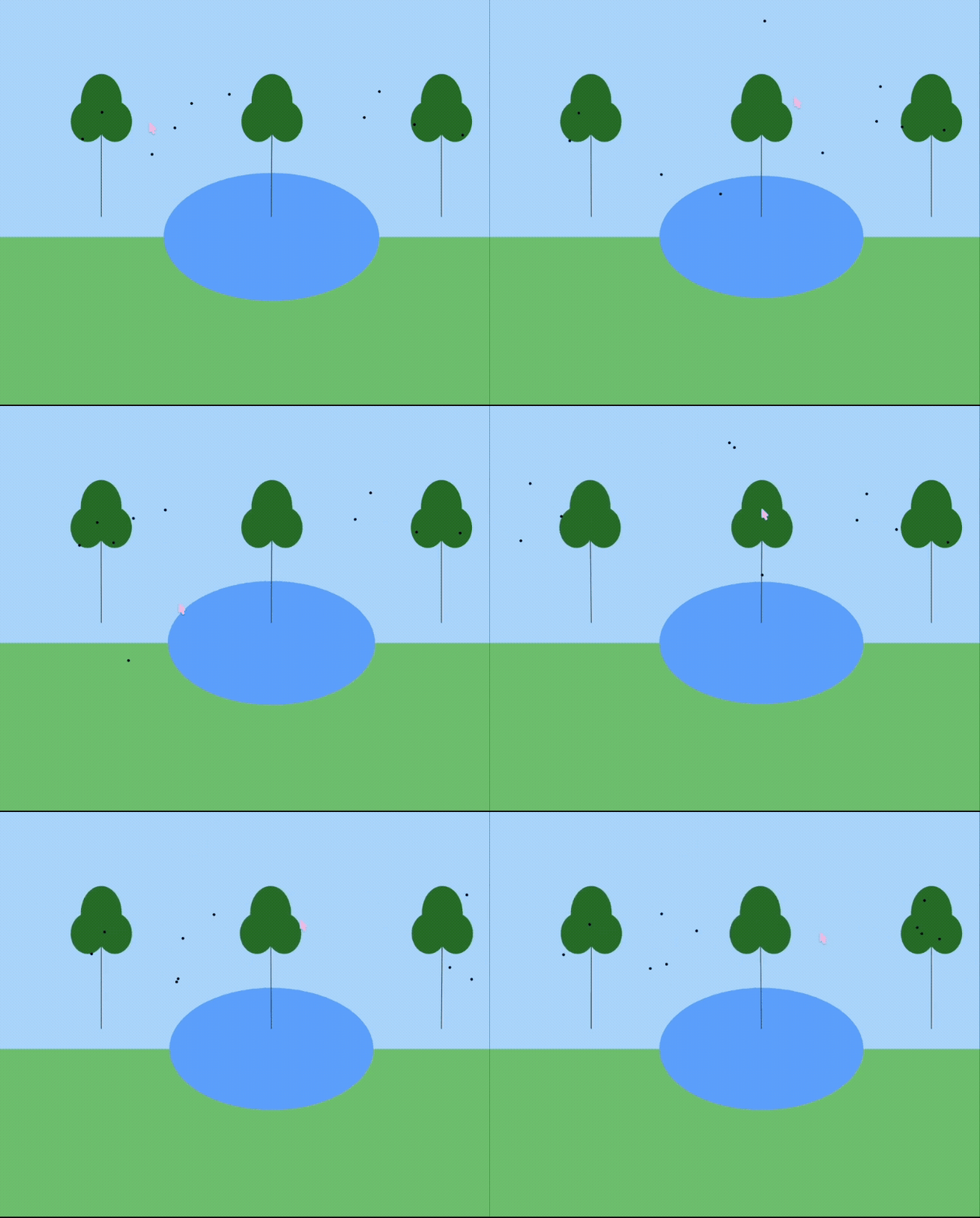
I began exploring animation through creative coding, experimenting with different effects and interactions to find more effective ways of translating the poem into a visual experience.
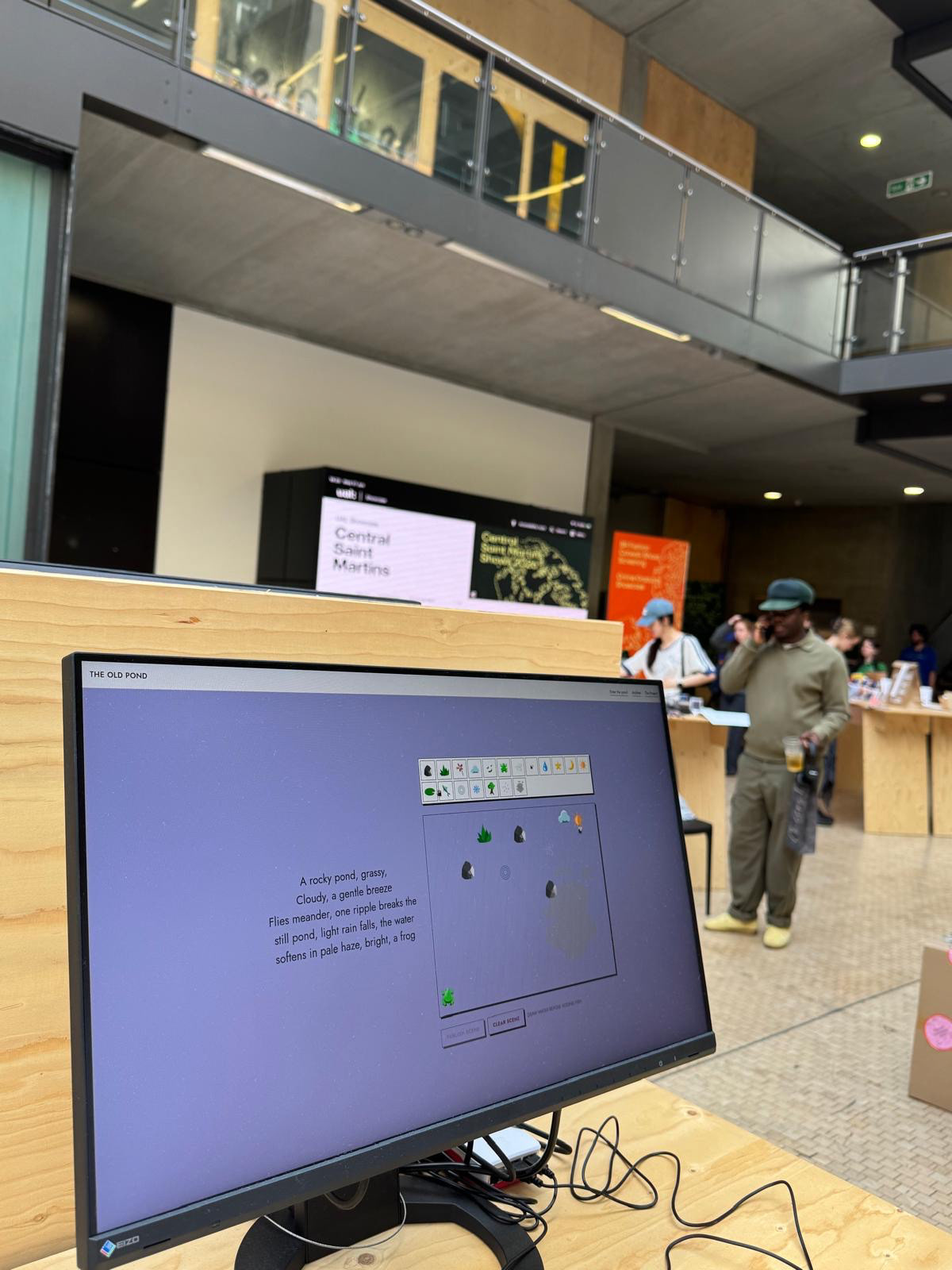
One approach that proved particularly successful was using pre-animated elements within a drag-and-drop system, allowing users to construct their own scenes without needing advanced artistic or technical skills. This made the creative process more accessible, while still giving participants the freedom to interpret and express the poem in their own way.
User Testing & Icon Design
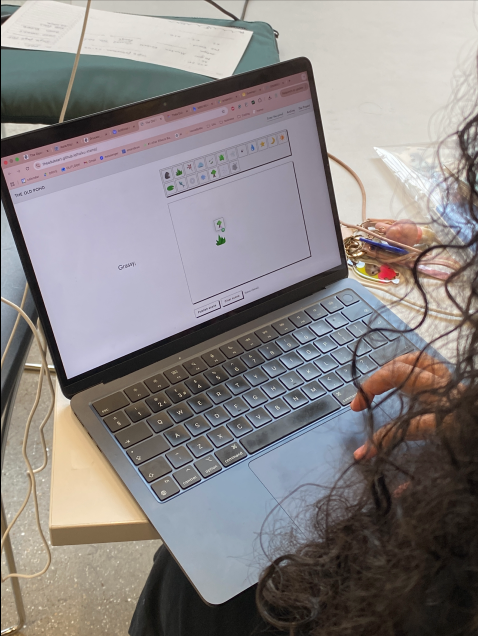
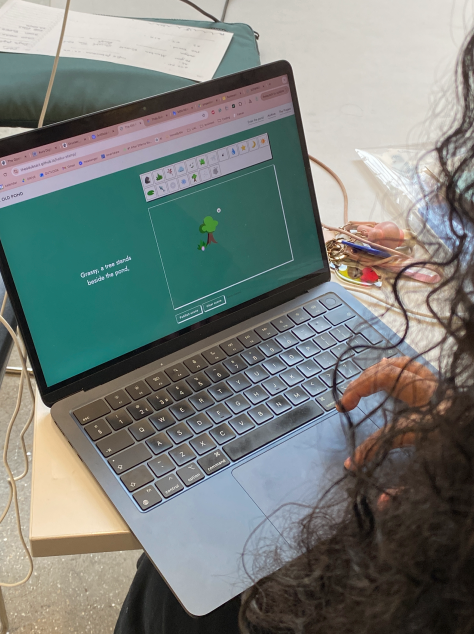
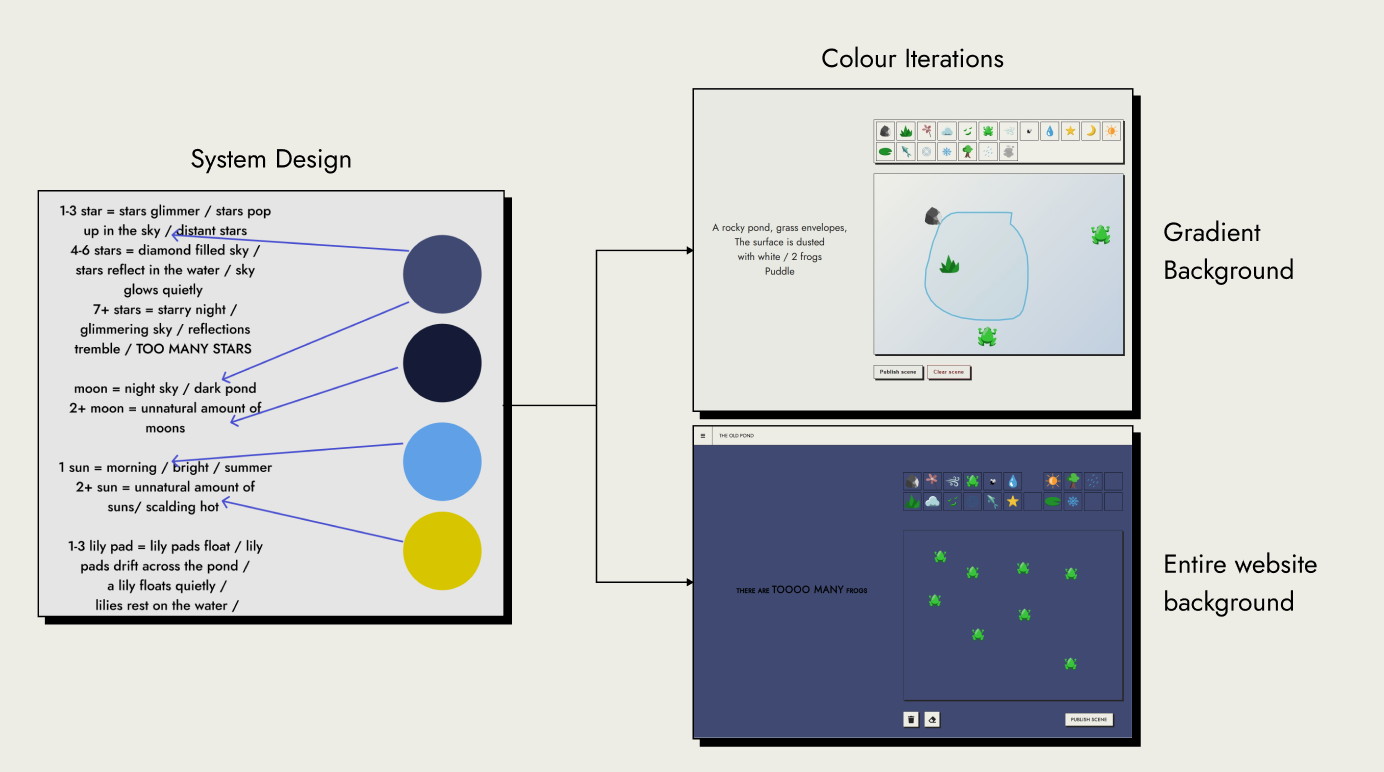
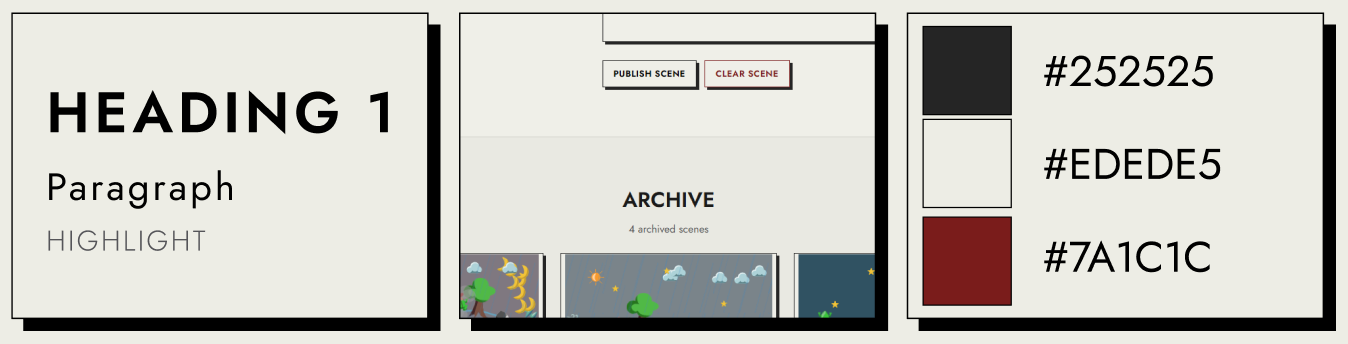
I introduced visual signifiers to make the interface more intuitive, using drop shadows on frames and buttons to suggest interactivity and square frames to group toolbar icons and encourage drag-and-drop interaction. Immediate feedback, such as icons following the cursor and disappearing once placed, helped users understand the outcome of their actions. Familiar visual archetypes and a consistent icon system allowed users to recognise elements without text, while simplified pictograms reduced unnecessary cognitive load. Key feedback I received from users was adding 'moods' to the scene through varying background colours, which I also implemented.
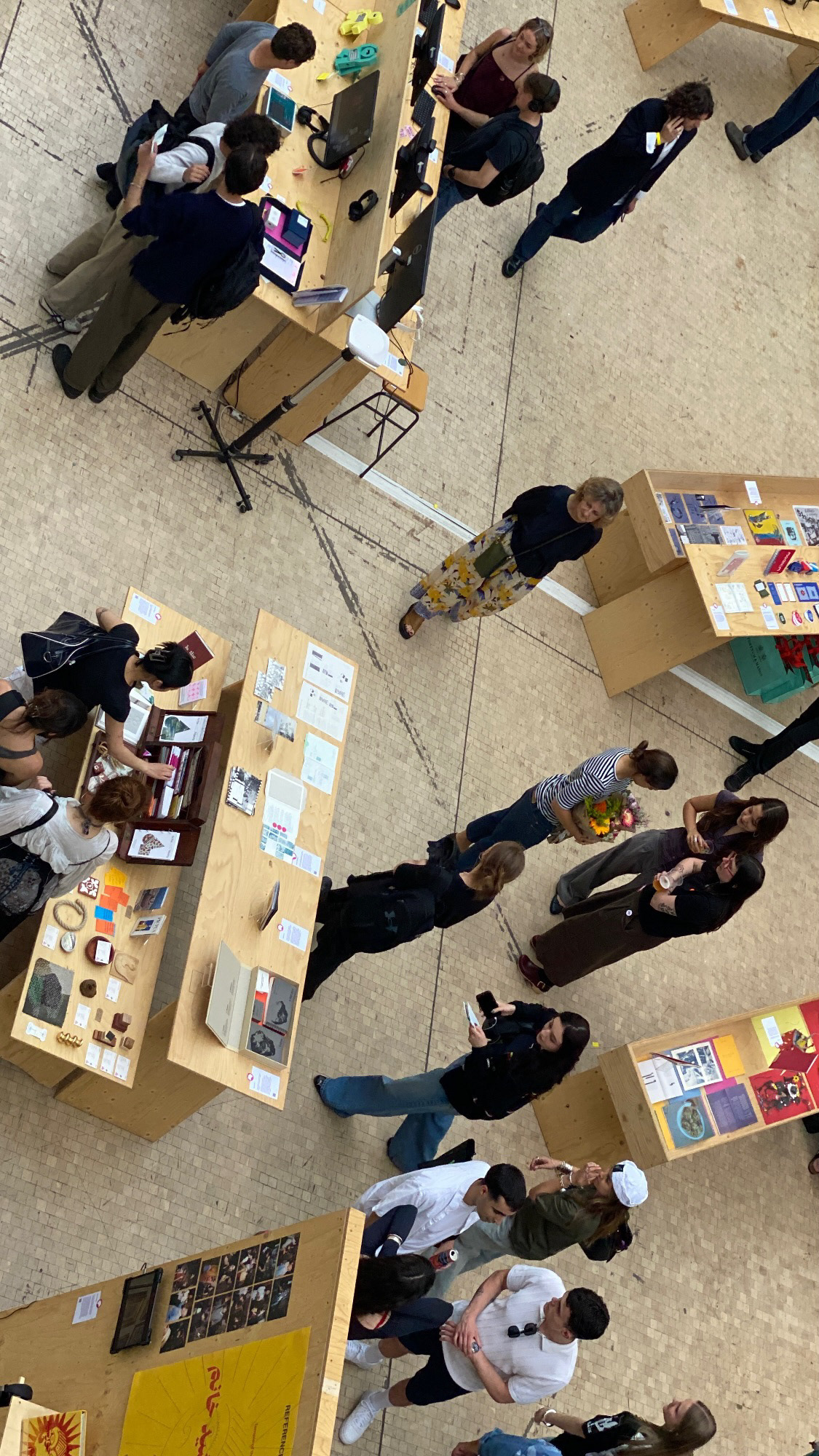
Exhibiting at CSM 2026 Showcase